
Natural color of the skin is because of Melanin, a pigment produced by certain cells called Melanocytes in the upper layers of skin. Melanin protects the skin from harmful UV Rays.
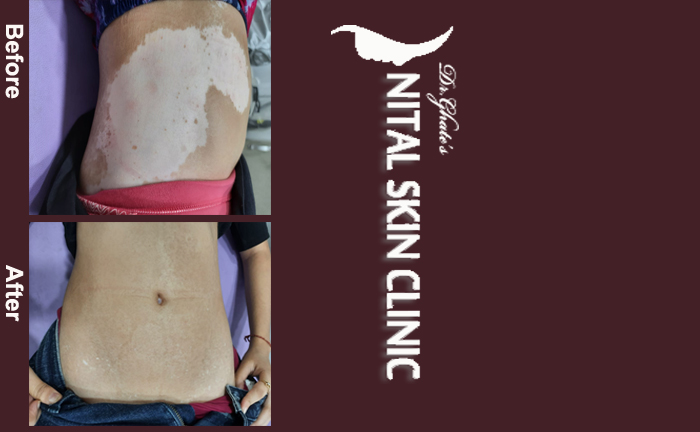
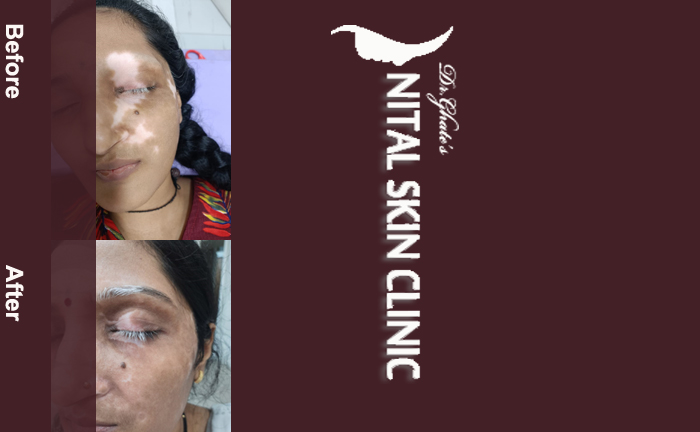
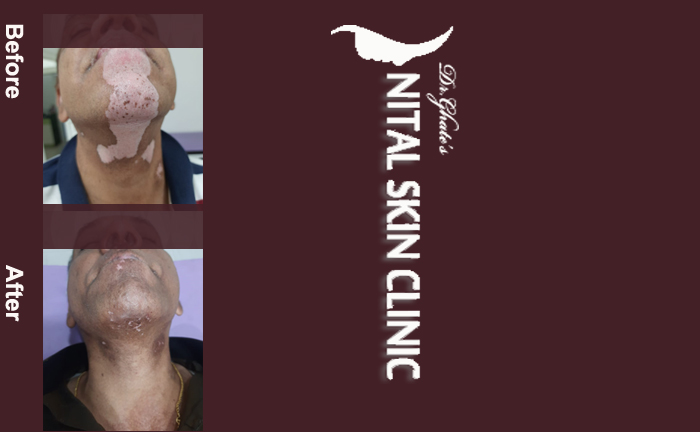
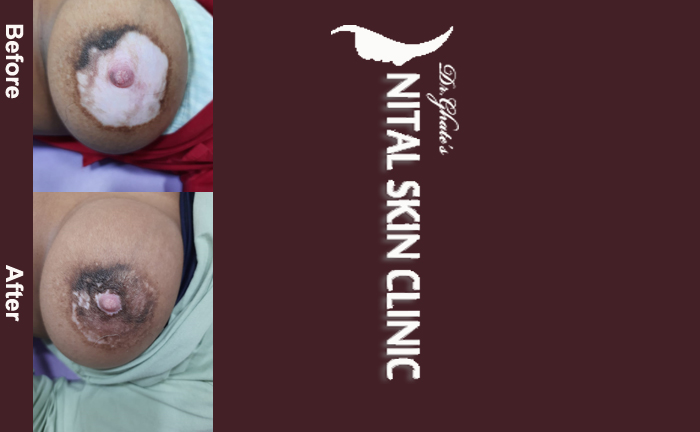
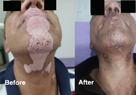
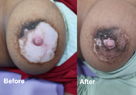
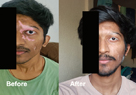
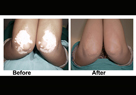
Destruction of these melanocyte manifest as white patches.
This affects approximately two to three percent of the Indian population.
A white spot of vitiligo on the skin, although only cosmetic in nature, has a devastating effect on the psychology of that individual as it distorts the body image, causes anxiety and depression .
Although it is not contagious this disease has tremendous social stigma. it is difficult to find a mate for marriage. Not only for the person affected with vitiligo, but also for the unaffected sibling.
Types of vitiligo
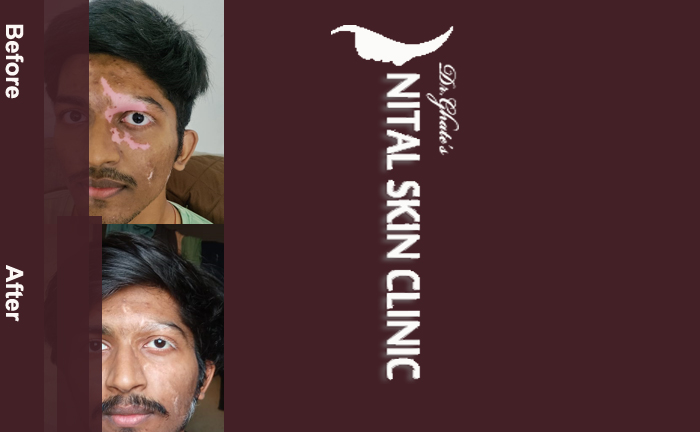
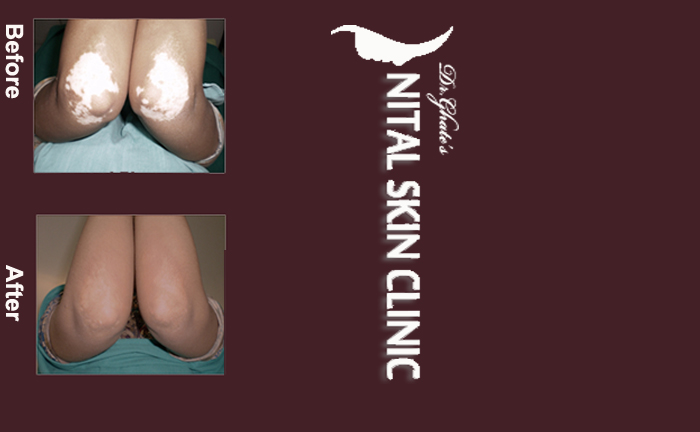
Vitiligo Vulgaris : The most common presentation in which the patches are distributed bi- laterally symmetrical.
Acrofacial Vitiligo : Patches are on fingers, toes, palms, soles and around facial orifices.
Segmental Vitilgo : Occurs in a unilateral asymmetric distribution spreading over one or more dermatomes.
Lip-tip Vitilgo : Patches are restricted only to lips and distal parts of the fingers and toes.
Focal Vitilgo : One or two closely set depigmented patches localised to a single area.
Universal Vitilgo : Loss of pigment over the entire body surface except a few small islands of pigmented skin.
skin specialist in pune,Melanocyte Transplant surgery in pune,Melanocyte culture treatment in pune ,Melanocyte Transplantation in pune,Skin Grafting Surgery in pune ,Micropigmentation surgery in pune,vitiligo surgery in pune ,vitiligo treatment in pune,leucoderma surgery in pune